


Stormwater drain clearing and repairs across Sydney








Our team of plumbers provide stormwater clearing, repairs, and relining for homes across Greater Sydney. We live in one of the most beautiful areas of Australia – but it can also be wet; Sydney receives an average of 1,145mm of rain every year. When stormwater drains are blocked, broken, or not configured properly, stormwater can pool around the home’s foundations, causing cracking, movement, and damp conditions for mould to grow.
Dial Up Plumbing is a family-owned plumbing business with more than 20 years of experience in repairing and unblocking stormwater systems. We use CCTV technology to identify the location of the blockage, and no-dig pipe repair solutions to clear up blockages with minimal mess.
Our team of plumbers provide stormwater clearing, repairs, and relining for homes across Greater Sydney. We live in one of the most beautiful areas of Australia – but it can also be wet; Sydney receives an average of 1,145mm of rain every year. When stormwater drains are blocked, broken, or not configured properly, stormwater can pool around the home’s foundations, causing cracking, movement, and damp conditions for mould to grow.
Dial Up Plumbing is a family-owned plumbing business with more than 20 years of experience in repairing and unblocking stormwater systems. We use CCTV technology to identify the location of the blockage, and no-dig pipe repair solutions to clear up blockages with minimal mess.



“Chris came in on time and done very good job. We highly recommend him.”

“Same day friendly excellence! Charlie did the initial check and advised if it was an easy repair...

“I was impressed with the prompt service I received from this plumbing company. When I called for an urge...

“Outstanding plumbing service! Chris was incredibly professional, punctual, and thorough. He quickly...

“Excellent, prompt service!! Always on time, professional and extremely efficient for solving and fixing those...





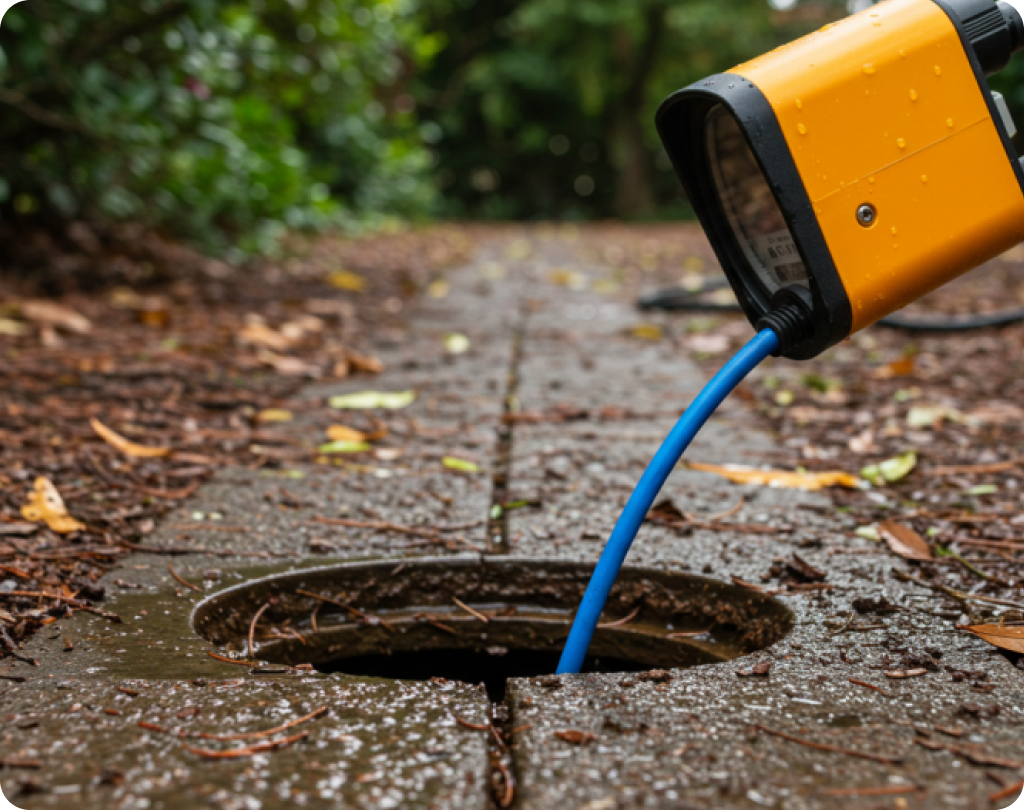
CCTV cameras are fed through the stormwater pipe to identify the exact cause and location of a blockage or damage. You’ll receive a full report with footage and photos before any work begins.
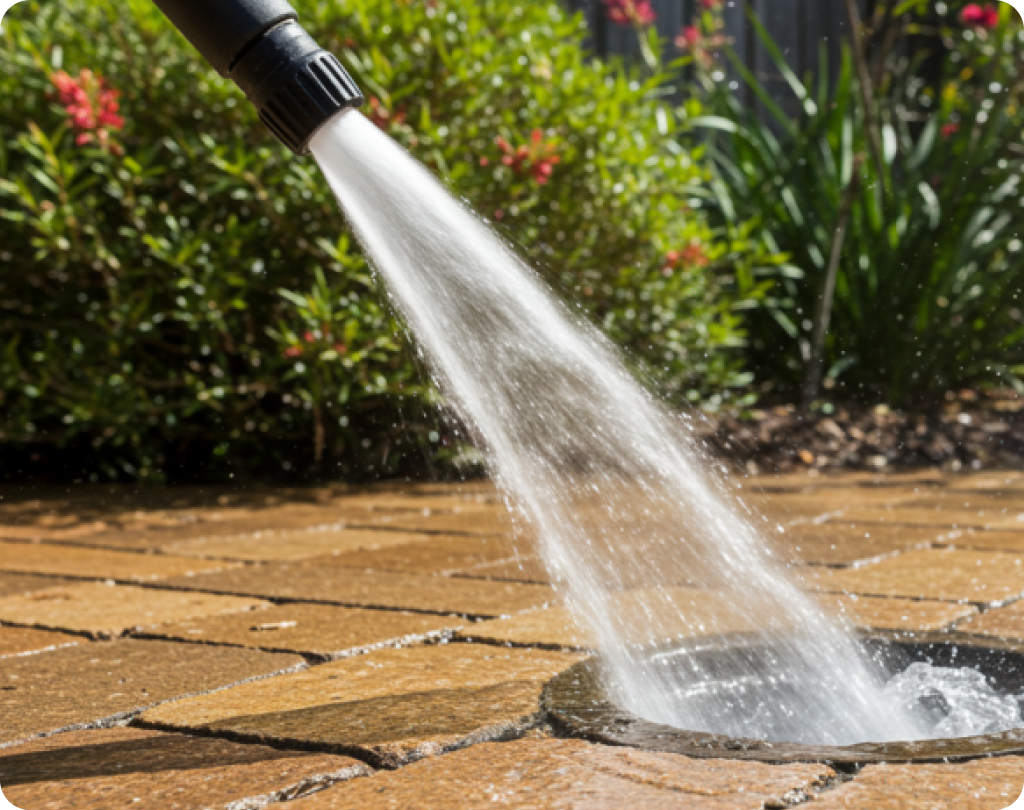
High-pressure water jetting forces water through the pipe at high velocity to break up and flush out debris, silt, and organic buildup. After clearing, we run a CCTV check to confirm the drain is flowing end-to-end.
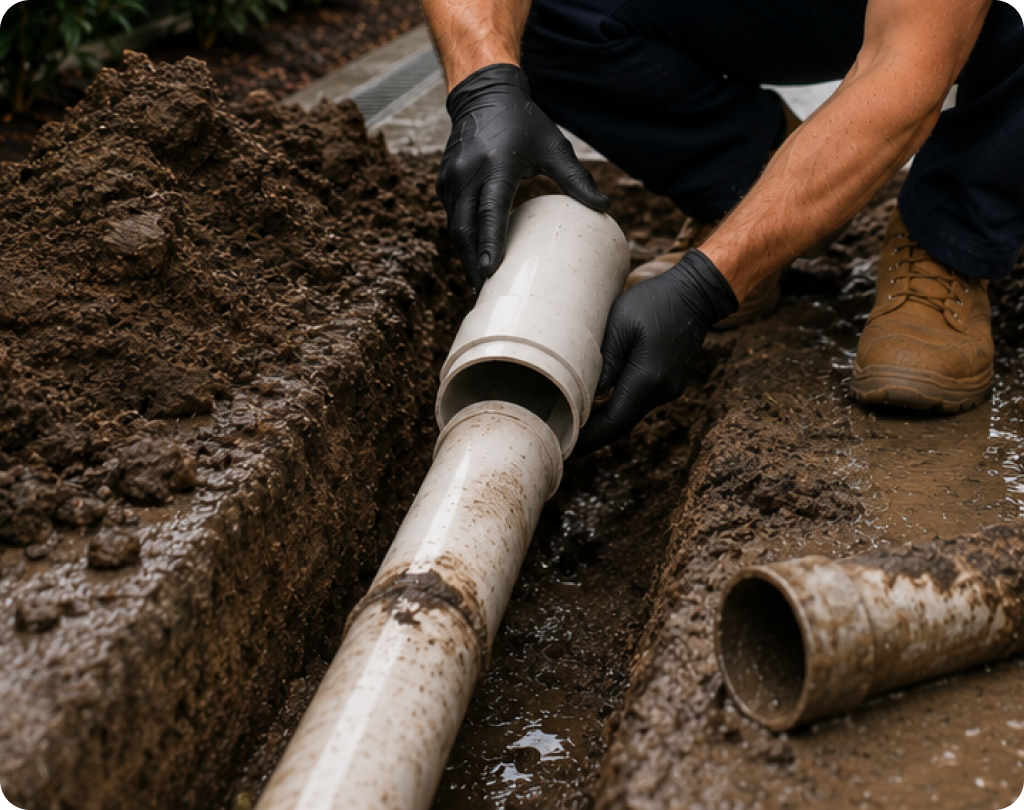
Where a stormwater pipe has cracked, collapsed, or is leaking, the damaged section is excavated and replaced. Restores proper drainage flow and prevents recurring issues.
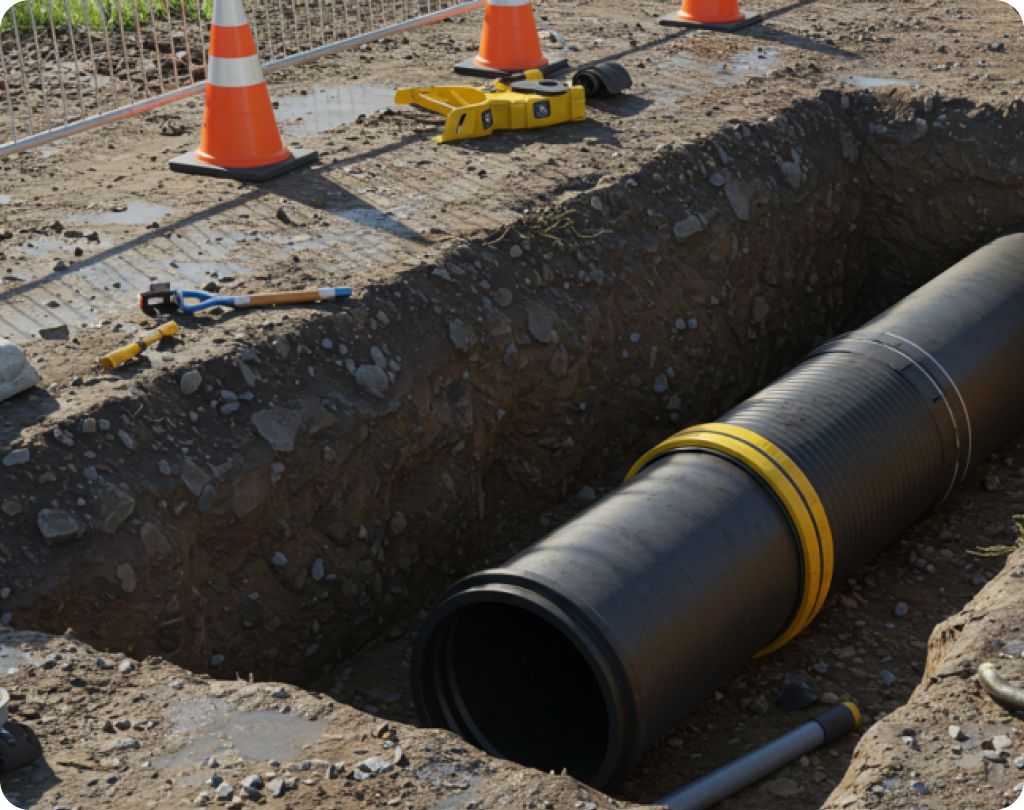
Design and installation of new stormwater drainage systems for property developments, extensions, subdivisions, and new constructions – connected to the correct council point of discharge.
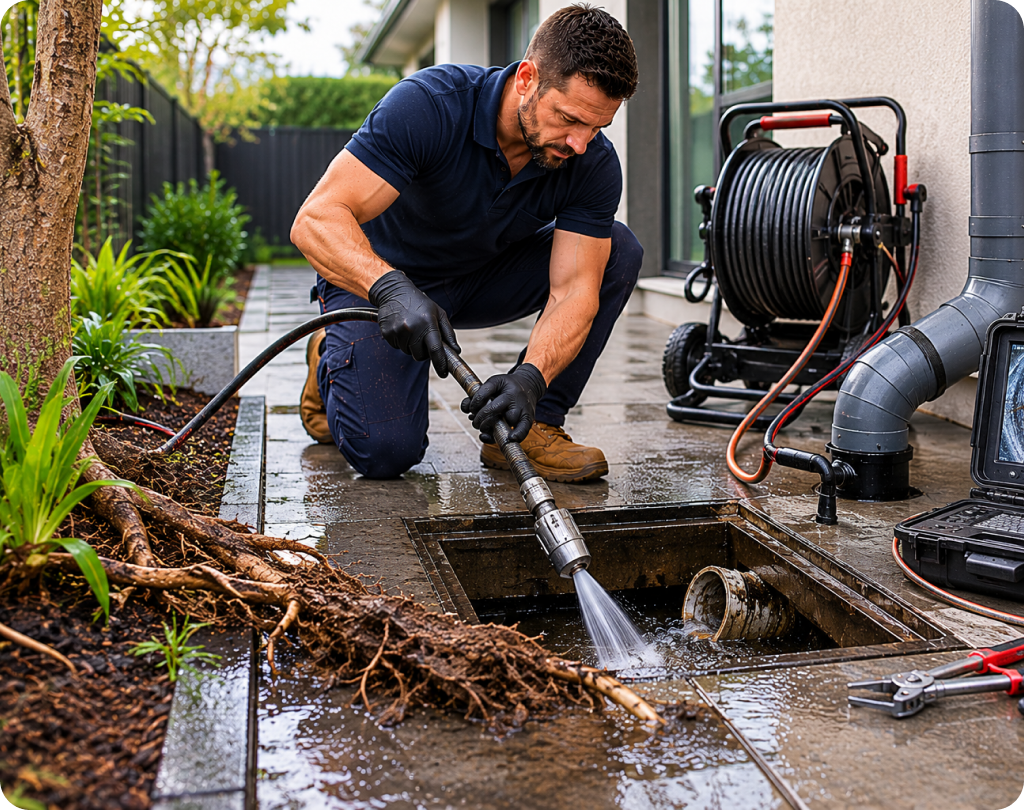
Tree roots are cleared using high-pressure jetting with root-cutting nozzles or a rotary root saw, depending on the severity of the intrusion. Once cleared, we assess whether the pipe wall has been compromised.
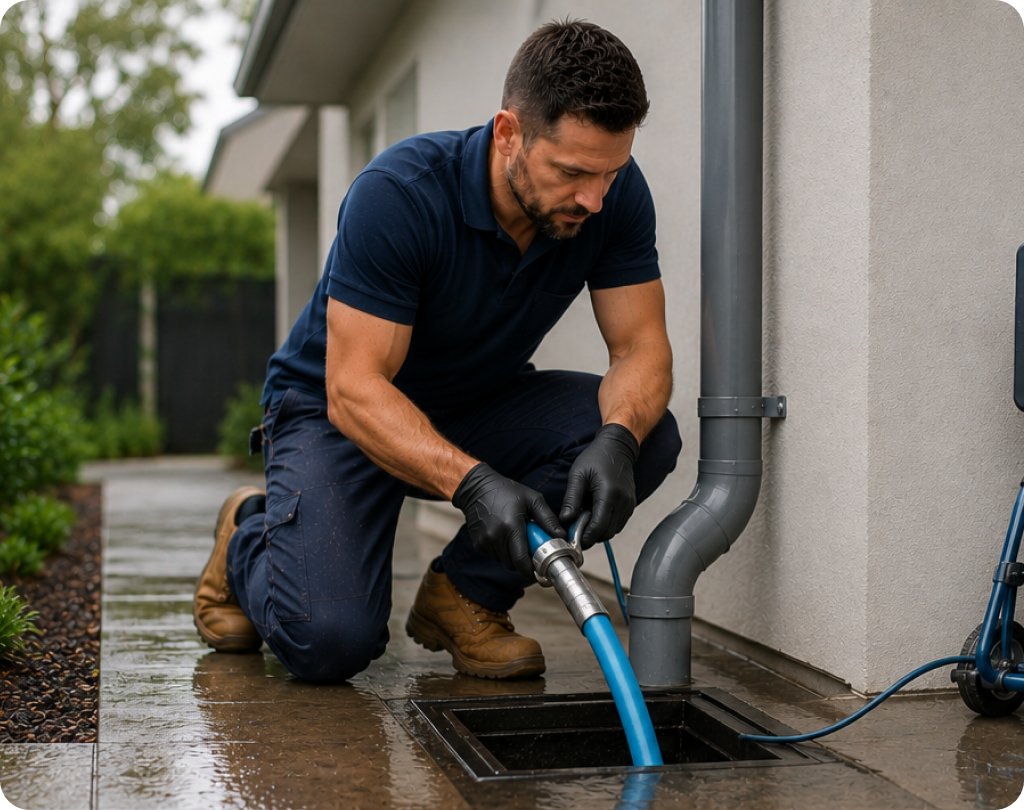
Where a stormwater pipe is cracked or structurally compromised, we reline it from the inside using no-dig, pipe relining methods.
CCTV cameras are fed through the stormwater pipe to identify the exact cause and location of a blockage or damage. You’ll receive a full report with footage and photos before any work begins.
High-pressure water jetting forces water through the pipe at high velocity to break up and flush out debris, silt, and organic buildup. After clearing, we run a CCTV check to confirm the drain is flowing end-to-end.
Where a stormwater pipe has cracked, collapsed, or is leaking, the damaged section is excavated and replaced. Restores proper drainage flow and prevents recurring issues.
Design and installation of new stormwater drainage systems for property developments, extensions, subdivisions, and new constructions – connected to the correct council point of discharge.
Tree roots are cleared using high-pressure jetting with root-cutting nozzles or a rotary root saw, depending on the severity of the intrusion. Once cleared, we assess whether the pipe wall has been compromised.
Where a stormwater pipe is cracked or structurally compromised, we reline it from the inside using no-dig, pipe relining methods.




Not if it’s on your property. As a homeowner, you’re responsible for the stormwater drainage system within the property boundary. Sydney Water and local councils manage and fix the infrastructure in the street.
If you’re not sure where responsibility sits or if the issue lies outside of your property boundary, we can provide guidance once we assess the situation.
The most common signs are water pooling in the backyard, around downpipes, or near where the drain is located. Slow draining pits or grates and water overflowing from the drain are pretty obvious signs that there is a blockage.
In more severe cases, water may start impacting the foundations of the house and cause signs of erosion.
Stormwater drains carry rainwater from roofs, driveways, and gardens away from the property. Whereas a sewer drain will collect wastewater from the property out to the public sewer network. Connecting the two is illegal and can result in significant fines.
For minor repairs or replacements of existing systems, council approval will not be required. For new drainage installations, approval may be required – it depends on your local council. Each council has different regulations. For example, City of Parramatta requires OSD systems to be approved for residential developments. Canada Bay requires approval for granny flats, carports, and sheds that affect drainage. Connection point requirem