Want to learn how to change a tap washer and fix a leaking tap? Stick to the end to know more about tap washers and how you can change them.
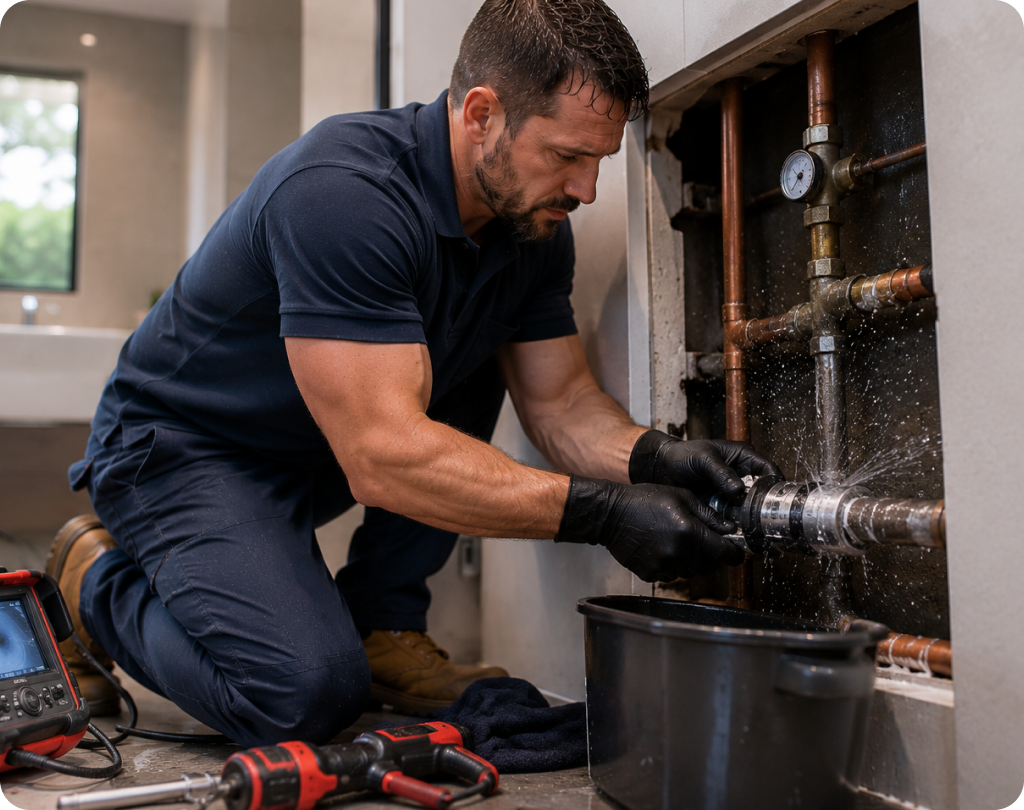
The sound of dripping water coming out of the faucet is one of the signs signalling you need a tap washer replacement. This sound keeps people awake all night and is a common plumbing problem that comes after blocked drains in Sydney.
Dripping water may be the first annoying thing you may encounter. While your water bill would be second. It is found through various research that more than 20% of all household water is lost due to leaks.
Now, 20% may not be a significant addition to the water bill. However, water is a valuable resources and it is best to conserve it at any cost. Dripping taps can also invite moulds and is associated with health risks.
There are many more problems invited by a faulty tap washer. However, replacing it remains the universal solution that always works.
What is a tap washer?
With central hole or opening, tap washers are disc-shaped devices that are commonly referred to as sealing washers or packing washers (in specific tap types). When the tap head is in the ‘off’ position, they act as a kind of gasket to keep mains water from leaking behind the tap.
These tap washers comes in a range of a materials. The one you need would depend on the type of tap you have. Tap washers are available in rubber, fibre, ceramic, nylon, and in a range of whole other materials.
Tools need to replace tap washer
You will need very minimal tools to replace tap washers. Some of the tools are;
- Screwdriver
- Spanner
- Old cloth
- Replacement tap washer
Now, before moving on to the actual steps on how to change a tap washer let us first answer a really common question that a lot of our customers ask us.
Is it possible to change tap washer without turning off the water?
No, it is not a normal practise to change tap washer without turning off the water. However, there are some techniques that allows you to do so in some circumstances. Dial Up Plumbing Services does not recommends changing tap washer without turning the water off.
Moving to the fun part….
How to change a Tap Washer?
Turn off water supply: Make sure the water supply to the tap is shut off before changing the tap washer. The water supply can be turned off at one of two locations:
- Your water metre has a stop valve next to it.
- On the pipes beneath the affected basin or bath, there is an isolation valve.
Remove the excess water: Take a sip of water from the faucet to flush out any remaining water in the system. The plug should be placed in the basin or bath after this to prevent any debris from entering the drain.
Remove the tap: In most cases, the tap button can be found on the tap’s top. It’s a handy way to tell if the water coming out of the faucet is hot or cold. To examine the tap’s inner workings, you’ll need to remove this button. A flathead screwdriver works well for removing the tap button.
#Little tip: Slide the screwdriver under the tap button and check if you can find it. Using the screwdriver and this indentation, you can remove the button from the tap’s top.
Remove the tap handle: There’s a screw hidden beneath the tap button for your convenience. You can use a flathead or Phillips screwdriver to remove the screw, depending on the type of screwhead it has. The tap handle can be removed by lifting up the screw and removing it as well.
Need tap repairs Sydney services? Get in touch with us today!
Removing the tap interior parts
Take Off the Tap Skirt: You may also notice a metal skirt on the tap. You’ll need to use pliers to remove this because it may have been glued in place.
Remove the Tap Cover: The tap bonnet is the tap itself. With a spanner, remove this. Allows you to see the jumper valve inside your tap, which can be brass or plastic. So, you will need to remove this as well, and you’ll be able to get to the washing machine.
Remove the old tap washer: A tiny nut or screw may be used to secure the tap washer in place, making it difficult to remove. Remove this with a screwdriver, then use tweezers or needle-nose pliers to grab the tap washer and pull it out.
Install a New Tap Washer: There are a wide variety of tap washers available, so it is critical that the replacement one you choose matches the previous one in shape and size. Do not hesitate to bring your worn tap washer to your neighbourhood hardware store and let the specialists there help you choose a new one.
Slide the replacement washer onto the tap stem with your fingers, tweezers, or needle-nose pliers. Then, remove the screw that kept the previous washer in place and replace it with a new one.
This is also a good time to clean the interior of the tap of any limescale. When you reassemble it, it will be in better functioning condition because of this.
Reassemble the faucet and re-start the water flow: After disassembling the faucet, follow the same steps to reassemble it, being careful to place each piece in the correct location and order. All screws should be tight enough, so that it won’t come off.
Once you reassemble the tap, turn on the water supply!
Problems you might face while replacing tap washer
Sometimes, even after replacing the faulty tap washer your leak might continue. It may be due to the minerals which creates an uneven surface for tap washer to sit on. We advise getting help from a professional plumber in such cases.
Call Sydney’s Plumbing experts
DIY plumbing brings a lot more harm than good in a lot of cases. If your plumbing system is old we do not recommend trying to fix it by yourself. Get in touch with tap plumbing experts from Dial Up Plumbing Services if you need any help related to leaking taps in Sydney. Simply give us a call at (02) 8999 6125.